
Kilkenny history begins with a name
Kilkenny history starts with Cill Chainnigh, meaning the church of Canice. The name preserves an ecclesiastical association, while a personal foundation here by Canice belongs to tradition rather than a secure founding event. That distinction is useful when exploring the city: a familiar name can carry an old story without supplying an exact date for the beginning of the town.
The Medieval Mile now links Kilkenny Castle and St Canice’s Cathedral through the centre. It provides a practical line for seeing different periods, although those buildings and the places between them developed at different times. Start with the chronology, then use the Medieval Mile guide to connect it with a walk.
Look at the city as a sequence of religious, aristocratic and commercial places. The cathedral, castle and Rothe House each open a different part of that story. Choosing an interior after understanding those roles can make a short visit more focused than trying to see every building on the route.
The medieval city: cathedral, castle and Black Abbey
The castle has origins in the 12th century. It later served as the principal seat of the Butler family for almost 600 years, a long relationship that gives the building a particular place in the city’s story. The castle seen today also reflects Victorian remodelling, so its medieval beginning is only one part of its architectural identity.
Black Abbey was founded in 1225 as a Dominican church and priory of the Holy Trinity. Its name refers to the Black Friars. The medieval cathedral developed under bishops Hugh de Mapilton, whose term ran from 1251 to 1260, and Geoffrey de St Leger, from 1260 to 1286. Their building phases help place the cathedral within the 13th-century city.
The former St Mary’s Church, now home to the Medieval Mile Museum, also dates to the 13th century. It has a churchyard and is a different building from today’s St Mary’s Cathedral. Keep those two names distinct when matching a historical reference with a place on your route.
Guided history
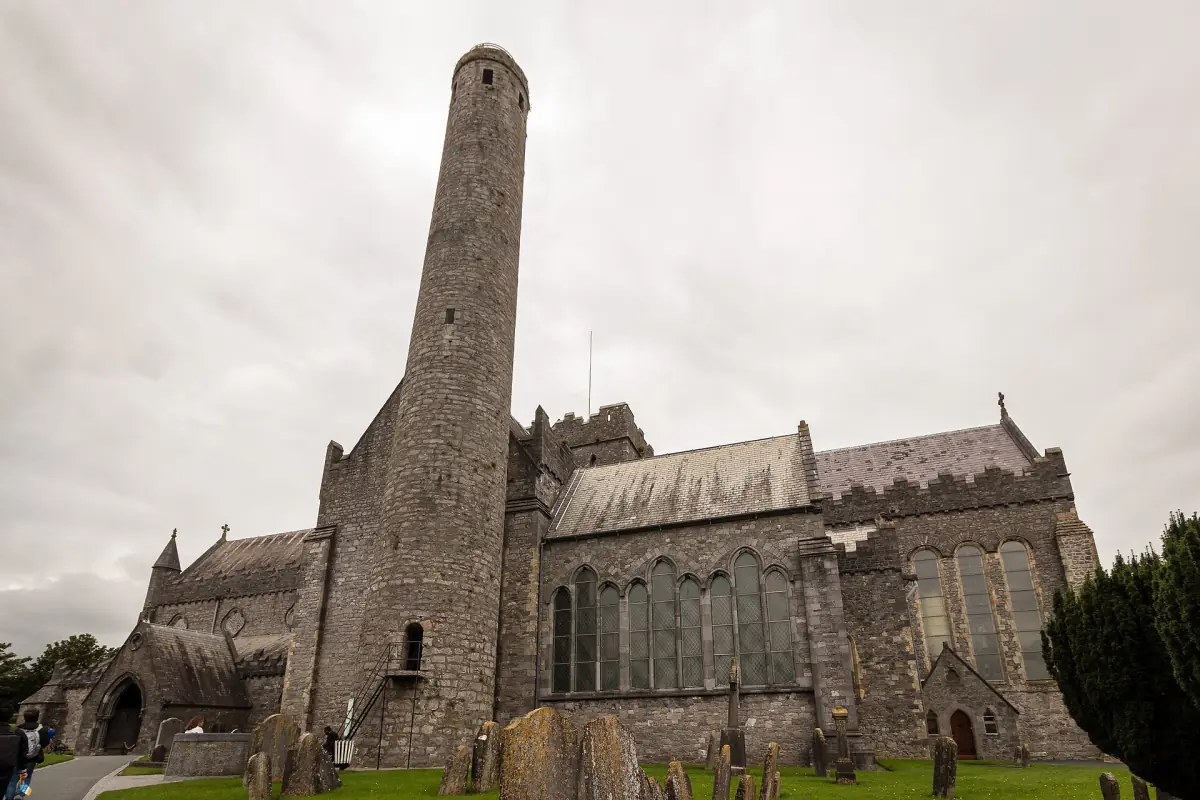
Meet a guide at the cathedral gate for a history tour.
Hand-picked tours, booked through Viator. Prices are indicative starting prices in euros (as of October 2026). Tap a tour for live availability and the current price in your currency.
Explore history on foot
A 90-minute guided historical walk starts at the entrance gate of St Canice’s Cathedral.
Merchant life and the city charter
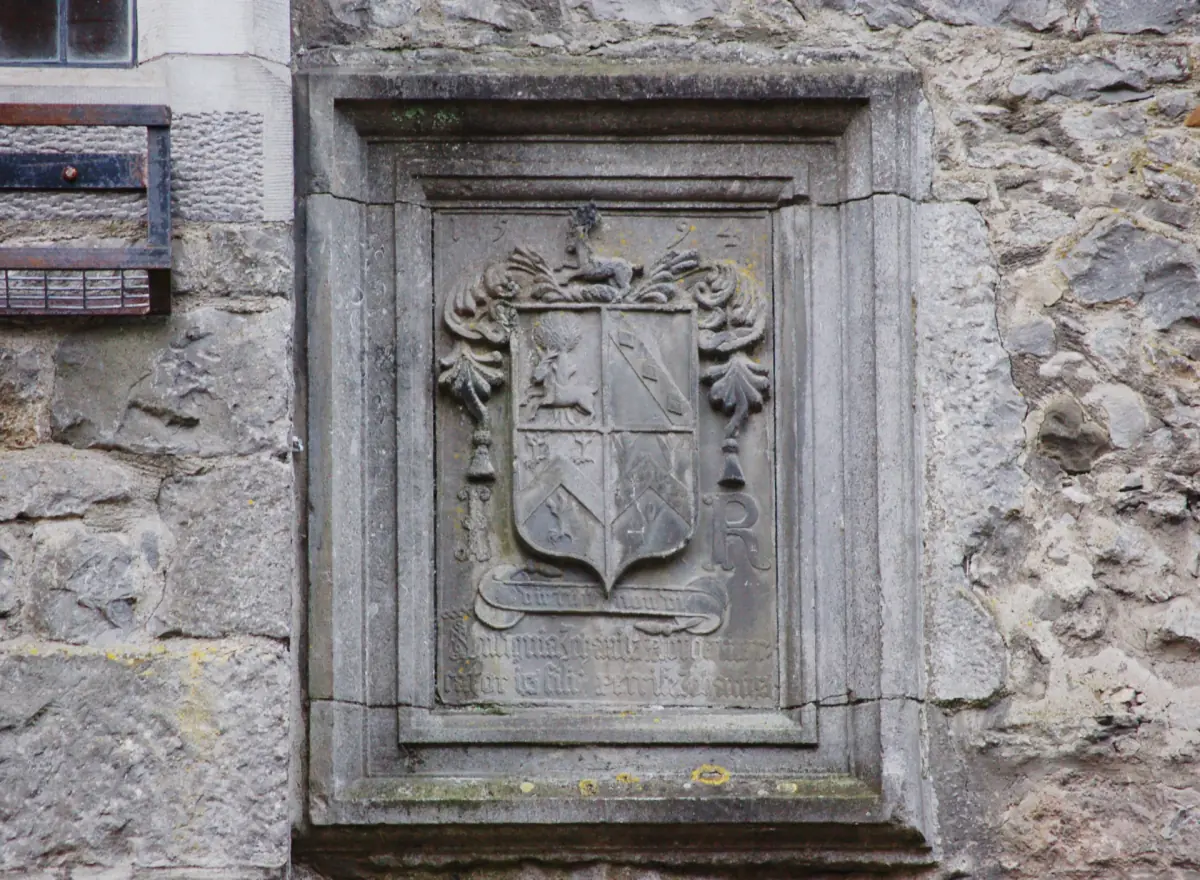
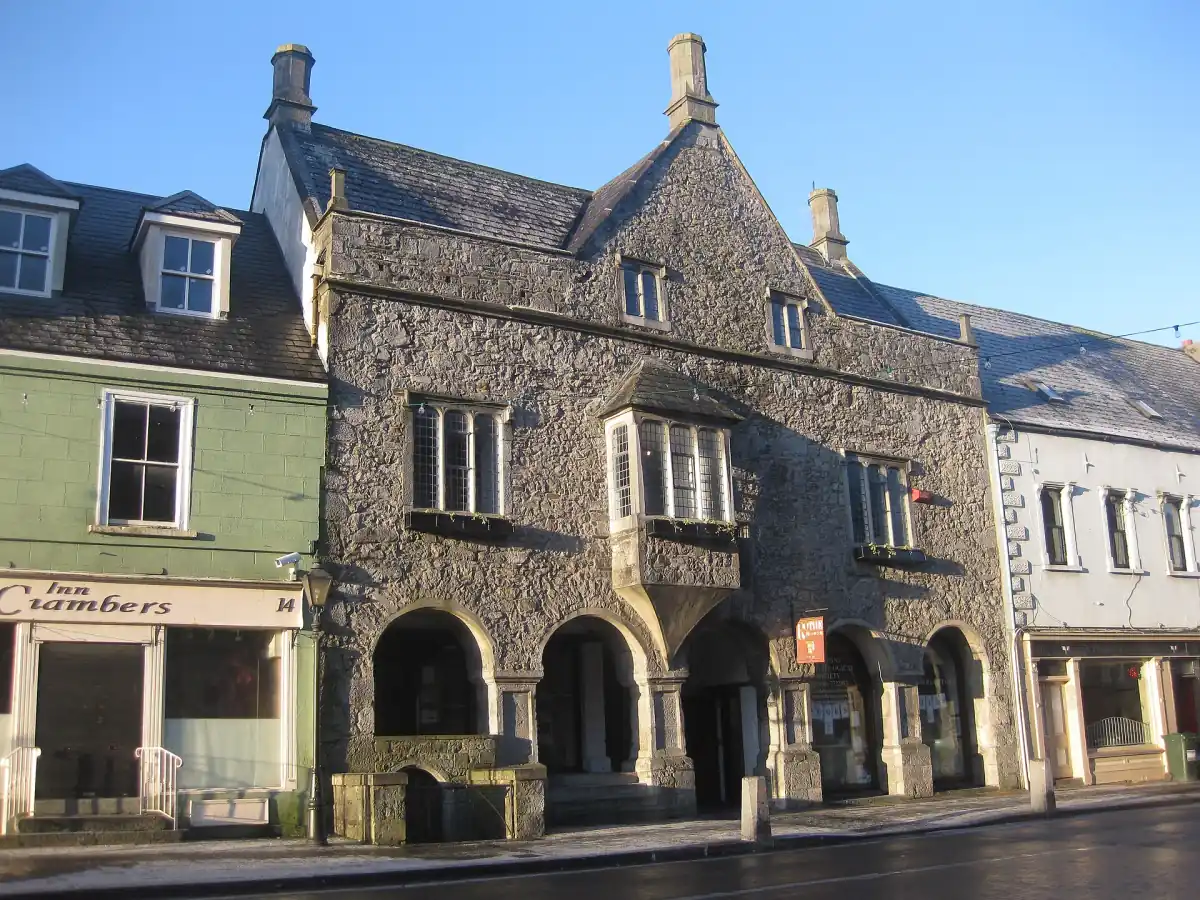
Rothe House on Parliament Street was built between 1594 and 1610 for John Rothe and Rose Archer. It combines three houses with paved courtyards and a restored garden. As a home and business premises, it adds a merchant-family perspective alongside the ecclesiastical and aristocratic buildings.
The royal charter dated 11 April 1609 elevated Kilkenny to city status. The document addresses the joining of Hightown, also called Englishtown, and Irishtown. It is a precise civic milestone, rather than the founding date of every settlement or building that preceded it.
The charter falls within the period when Rothe House was being built. Reading those dates together gives you a way to connect civic history with a surviving domestic and commercial site. Look at the house as part of a developing city, rather than treating every stone building as belonging to one undifferentiated medieval age.
1650 and the later lives of the buildings
Cromwell captured Kilkenny in 1650, and the cathedral suffered severe damage. This is a major historical break in the cathedral’s story. When you visit, place it alongside the earlier building phases, keeping the long history of the church in view rather than reducing the site to one episode.
Black Abbey was rededicated as a place of worship on 22 May 1864. That later date shows why the present use of a medieval foundation is also part of its history. Today’s services should be respected when planning a sightseeing stop; a worship timetable serves a different purpose from visitor opening hours.
The castle’s Victorian remodelling adds another architectural layer. Its transfer to state ownership in 1969 is a modern milestone after the long Butler association. The castle visiting guide explains admission and access separately from this historical outline.
Read the chronology on a city walk
The historical walking tour featured here lasts 90 minutes and meets at the entrance gate of St Canice’s Cathedral. Its included service is a guided tour. Use it as a way to explore history on foot, with individual interior visits arranged as their own part of the day.
For the cathedral itself, the cathedral and round-tower guide separates the church interior from the climb. For a broader choice of stops, the city sights page brings together Rothe House, the museum, art and rural excursions. Match those choices to the period or subject that most interests you.
Questions about your visit
Does Kilkenny’s name prove Canice founded the city?
Cill Chainnigh means the church of Canice. A personal foundation here by Canice should be treated as tradition, rather than a secure event with an exact city-founding date.
What happened in 1609?
The royal charter of 11 April 1609 elevated Kilkenny to city status and addressed the joining of Hightown or Englishtown with Irishtown. It is a civic milestone in an already developing place.
Is the castle unchanged since medieval times?
The castle has 12th-century origins and a long Butler-family association, followed by Victorian remodelling. State ownership began in 1969. Its appearance and history therefore belong to several periods.